
Harnessing the Power of Light for Healing
Laser acupuncture and auricular therapy are innovative Photobiomodulation (PBM) therapy applications. They use low-level laser light to stimulate specific acupuncture and auricular points on the body. These noninvasive treatments offer promising alternatives for addressing various health conditions, showcasing the immense potential of PBM in influencing stem cell behavior and enhancing the body’s natural healing processes.
The Science Behind PBM Therapy
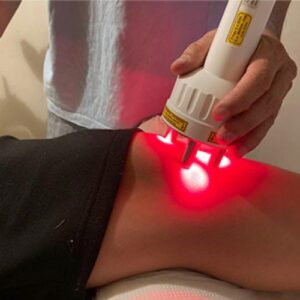
Photobiomodulation therapy involves applying low-level laser light to tissues, which can have significant biological effects. Unlike high-intensity lasers used for cutting or cauterizing tissues, low-level lasers used in PBM therapy operate at wavelengths that penetrate the skin without causing damage. This gentle light stimulates cellular activity, increasing cell energy production and promoting healing and regeneration.
Laser Acupuncture
Laser acupuncture merges traditional Chinese acupuncture with modern laser technology. Instead of needles, a low-level laser is directed at specific acupuncture points. This method is particularly beneficial for individuals who are apprehensive about needles or those with sensitive skin. Research has shown that laser acupuncture can effectively treat conditions such as chronic pain, migraines, and arthritis by enhancing blood flow, reducing inflammation, and stimulating the body’s natural pain relief mechanisms.
Auricular Therapy
Auricular therapy, also known as ear acupuncture, focuses on stimulating points on the ear that correspond to various organs and systems in the body. Laser auricular therapy uses low-level lasers to activate these points, promoting overall health and well-being. This therapy is used to manage conditions like addiction, stress, and anxiety, leveraging the ear’s rich network of nerve endings and its connection to the central nervous system.
Innovative Research and Applications
Recent studies have delved into the synergistic effects of PBM and stem cell therapy. One notable study explored how laser therapy could enhance stem cell activity, increasing stem cell proliferation and improving healing outcomes. By targeting stem cells with low-level laser light, researchers observed significant improvements in tissue regeneration and repair, opening new avenues for treating injuries and degenerative diseases.
Clinical Applications
The application of PBM therapy, including laser acupuncture and auricular therapy, has shown promising results in various clinical settings:
Pain Management: PBM therapy can effectively reduce chronic pain and inflammation, providing relief for conditions like arthritis and fibromyalgia.
Wound Healing: Low-level lasers accelerate the healing of surgical wounds and injuries by promoting cell growth and reducing scar tissue formation.
Neurological Health: Emerging research suggests that PBM therapy could benefit neurological conditions, such as traumatic brain injuries, Alzheimer's, and Parkinson's disease, by supporting neuronal health and function.
Safety and Efficacy
The safety profile of PBM therapy is well-established, with minimal side effects reported. Its non-invasive nature makes it an attractive option for patients seeking alternative treatments without the risks associated with surgery or pharmaceuticals. Standardized protocols and advancements in laser technology have further enhanced the efficacy and reliability of these treatments.
Conclusion
Laser acupuncture and auricular therapy exemplify the cutting-edge applications of PBM therapy, offering non-invasive, effective treatment options for a wide range of conditions. By harnessing the power of light to influence stem cell behavior and promote healing, these therapies represent a significant advancement in the field of regenerative medicine. As research continues to evolve, the potential for PBM therapy to transform healthcare becomes increasingly evident, promising new hope for patients seeking innovative, holistic treatment solutions.